Guineafowl Serif Font for Handmade Labels and Branding
Last week, I was sitting at my worktable surrounded by candle tins, adhesive paper, and a roll of kraft labels. I had a stack of test prints from a dozen different fonts, and none of them felt right for the small-batch soy candles I was preparing for the holiday season. Then I opened Guineafowl for the first time, set a single word in it, and everything clicked. The letterforms carried a warmth I had not seen in other serif options, and the romantic lift in the curves gave the label a polished, almost heirloom quality. I knew immediately that this was the font that would tie my entire product line together.
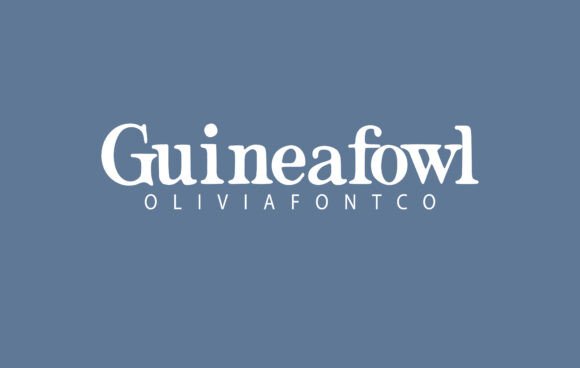
Guineafowl is an authentic serif font designed with a distinctly romantic touch. It is not overly ornate or difficult to read, which makes it a strong choice for makers who need both beauty and legibility in their products. Whether you are printing small sticker sheets for a wedding collection or cutting vinyl for wooden signs, this font brings a level of polish that elevates everyday craft projects into something that feels thoughtfully designed.
Why Guineafowl Stands Out in a Maker’s Toolkit
When I first tested Guineafowl on a simple candle label, I was surprised by how much personality came through in just two words. The serifs are refined without being fussy, and there is a gentle rhythm to the spacing that makes even short phrases feel complete. This is a font that does not try to shout. Instead, it invites the reader to look closer, to notice the subtle details in each letter.
For handmade sellers and printable creators, choosing a font is about more than style. It is about how the design makes the customer feel when they hold a product in their hands. Guineafowl carries a sense of care and intention. It suggests that the person who made this item paid attention to every detail, including the typeface. That kind of perception builds trust and helps a small brand stand out in a crowded marketplace.
The romantic quality of Guineafowl makes it especially suited for products that center on connection, celebration, or reflection. Wedding invitations, anniversary cards, save-the-date announcements, and thank-you notes all benefit from the gentle elegance this font provides. But it is not limited to formal occasions. I have used it on everyday product tags for bath salts, lip balms, and artisan soap, and it brings the same refined feel to those items as well.
Real Product Uses for Guineafowl
One of the first projects I used Guineafowl for was a set of farmhouse-style candle labels. The font paired beautifully with a muted color palette and simple line art. I printed the labels on matte sticker paper, cut them with a standard craft cutter, and applied them to amber glass jars. The result looked like something from a boutique candle shop, not a home workspace. The legibility held up even at a small scale, which is a critical factor when you are working with narrow jar surfaces.
I also tested Guineafowl on wedding invitation mockups for a client. The couple wanted something classic but not stiff, and this font bridged that gap perfectly. I used it for the main names and the reception details, then paired it with a clean sans serif for the smaller logistical information. The combination felt balanced and intentional. When the printed samples arrived, the letterpress effect was especially striking because the serifs caught the ink just right.
For printable wall art, Guineafowl is a strong contender. I designed a set of minimalist quote prints using the font for the main text and a simple handwritten style for accent words. The contrast between the structured serif and the looser script gave the prints a layered, curated look. Customers who purchased the digital downloads mentioned that the typography was what first caught their attention in the listing photos.
Product Presentation and Brand Consistency
Brand consistency is something every handmade seller learns to value over time. When customers see your products on a shelf or in an online shop, they are subconsciously registering the details that make your brand recognizable. Guineafowl can become one of those anchor details. Using it consistently across labels, tags, packaging inserts, and even social media graphics helps create a visual thread that ties your entire shop together.
I have started using Guineafowl on my boutique packaging as well. Small hang tags, tissue paper inserts, and thank-you cards all feature the font in some capacity. The effect is subtle, but customers have commented on the cohesive look of my packaging. One person said the unboxing experience felt like opening a gift from a high-end boutique. That kind of feedback reinforces why investing in a premium font matters for a handmade business.
Readability and Production Considerations
Readability is a practical concern that every maker has to address. Guineafowl performs well in this area. The letterforms are clear and evenly weighted, which means they work for both display purposes and shorter text blocks. I have used it on product labels as small as 1.5 inches wide, and the text remained fully legible. For cutting machine users, the font handles cleanly in design software, and the curves translate well into vinyl or heat transfer material.
When cutting stickers or decals, I recommend testing a small sample first to see how the fine serifs reproduce at your intended size. On most standard adhesive vinyl, the details hold up well. For extremely small text, you may want to increase the weight slightly or use a bolder variant if one is available. Always check the included styles and weights before starting a large production run, so you know exactly what the font can do at different sizes.
Font Pairing Ideas for Guineafowl
Pairing Guineafowl with other typefaces can expand your design options significantly. I have found that it works especially well with a clean sans serif for contrast. A simple geometric sans serif keeps the overall design modern while letting Guineafowl carry the emotional weight. For a more decorative look, a gentle script font can add a handcrafted feel alongside Guineafowl’s structured elegance.
If you are designing wedding stationery or formal invitations, try pairing Guineafowl with a light handwritten font for names or monograms. The juxtaposition of the refined serif and the personal touch of handwriting creates visual interest without feeling cluttered. For product labels, a bold display sans serif used for product names alongside Guineafowl for descriptive text gives you both hierarchy and harmony.
I have also paired Guineafowl with a simple serif font in a lighter weight for body text on printable planner pages. The combination kept the layout readable while maintaining a cohesive aesthetic throughout the design. Experimenting with different pairings will help you discover which combinations best reflect your brand personality.
Licensing, File Formats, and Practical Checks
Before using Guineafowl for any commercial project, it is essential to review the specific licensing terms. The font is sold as a commercial font, but the details of what is covered can vary. Check whether the license allows use for physical products, digital downloads, templates, merchandise, and SVG-style designs. Some licenses also cover use in social media graphics and listing images, which is important for Etsy sellers and other online shop owners.
Make sure the file formats you download are compatible with your design software. Common formats include OTF and TTF, and most modern cutting machine programs accept both. If you plan to use Guineafowl for web design or digital templates, check for webfont support as well. Multilingual support is another factor to consider if your products target an international audience.
Including the font in mockups for listing images is a smart way to showcase your product designs before they are produced. Guineafowl renders beautifully in digital previews, so your mockups will look polished and professional. Just confirm that your license covers the use of the font in template previews that will be sold or distributed to others.
Bringing Guineafowl into Your Workflow
Adding Guineafowl to your design toolkit is a straightforward process. Install the font on your computer, open your preferred design software, and start experimenting. I recommend creating a few test layouts with your actual product dimensions to see how the font behaves at different sizes and on different materials. Print a physical sample whenever possible, because how a font looks on screen can differ from how it reads in real life.
For seasonal craft designs, Guineafowl adapts well to holiday themes, Valentine’s Day products, and spring collections. Its romantic undertones make it a natural fit for love-themed items, but it is versatile enough to work for everyday products as well. I have used it on reusable tote bags, ceramic mugs, and wooden signs, and each time it brought a sense of thoughtful design to the finished piece.
If you are a printable creator, Guineafowl can become a reliable font for your templates. Planners, journals, wall art, and card designs all benefit from a typeface that balances beauty with readability. Including a font like Guineafowl in your design assets helps your templates look cohesive and professional, which can set your shop apart from others offering similar products.
Ultimately, Guineafowl is a serif font that earns its place in a maker’s collection through a combination of visual charm, practical usability, and emotional resonance. It does not require elaborate embellishments to make an impact. The letterforms speak for themselves, and they speak with a voice that feels both timeless and approachable. Whether you are designing a single candle label or building an entire brand identity from scratch, Guineafowl offers a foundation that is as reliable as it is beautiful.