Xyla: A Handwritten Serif Font for Small Business Branding
It was a Thursday evening, and I was sitting at my kitchen table with a stack of blank kraft paper tags, a fresh ink cartridge in my printer, and that familiar knot of indecision in my stomach. I had just finished a new batch of small-batch candles for my shop, and the labels I had printed the week before felt flat. Too generic. Too much like everybody else. I wanted something that would make a customer pause, pick up the jar, and feel like they had discovered something special. That is when I opened a folder of fonts I had been testing, and I landed on Xyla. One look at its graceful curves and easy warmth, and I knew this was the shift my brand needed.
What Makes Xyla Stand Out in a Crowded Font Library
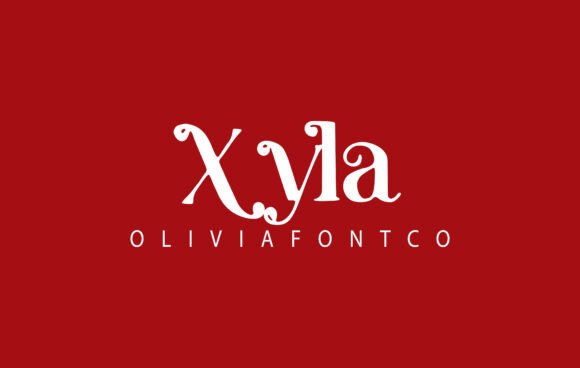
Before I go any further, let me tell you what Xyla actually is. It is an authentic handwritten font with a noticeably romantic touch, and it sits beautifully in the serif font category. That might sound like a contradiction at first — handwritten and serif — but once you see it, the combination makes perfect sense. The letterforms carry the natural rhythm of handwriting, with gentle strokes and subtle variations that keep the text feeling human rather than mechanical. At the same time, the serifs add a quiet sense of structure and polish. It is not overly ornate or fussy. Instead, Xyla feels like something you might find in a lovingly handwritten letter from a century ago, but it works perfectly on modern packaging, screens, and print materials.
For a small business owner, that balance is gold. You get the approachability of handwriting and the credibility of a more refined serif font. It is the kind of typeface that makes a product look like it was crafted with care, not mass-produced in a hurry. And in a market where first impressions happen in a split second, that human touch can be the difference between a customer scrolling past or stopping to read your label.
Real Case: How Xyla Transformed My Candle Packaging
I will walk you through exactly how I used Xyla on my candle jars, because this is where the font really proved itself. My brand leans into natural scents and simple, eco-friendly packaging. I wanted the labels to feel warm and personal without looking amateur. My old labels used a clean sans serif, which was readable but had zero personality. When I switched to Xyla for the main product names — think Forest Walk, Vanilla Smoke, Lavender Rain — the difference was immediate. The handwritten quality made each scent name feel like a story rather than just a description. I printed the labels on recycled paper with a slight texture, and the ink settled into the fibers beautifully. The slight irregularity in the letter spacing gave the jars a handmade look that actually matched my brand ethos.
For the ingredient lists and small legal text on the back, I paired Xyla with a clean, neutral sans serif. That combination kept the front of the jar inviting and memorable, while the back remained easy to read. I also used Xyla on a small hang tag that I tied around each jar with twine. On the tag, I printed a short greeting — Thank you for lighting this candle — and it felt genuinely personal, like a note from a friend. Several customers mentioned the tag specifically when they reordered. One person said it made her feel like she was giving a gift, even when she was buying for herself. That kind of emotional reaction is exactly what good brand identity should do.
Where Xyla Shines in Your Business Materials
After testing Xyla across a range of customer-facing materials, I can tell you exactly where it performs best and where you might want to use it sparingly. This font is a natural fit for logo design, especially if your brand has a romantic, artisanal, vintage, or nature-inspired feel. It works beautifully on product labels and packaging design for items like skincare bottles, soap wrappers, tea tins, honey jars, and boutique clothing tags. The handwritten quality adds a layer of authenticity that customers can feel, even if they cannot articulate why. I have also used Xyla on business cards and thank-you cards, where the personal tone helps build customer loyalty. When someone opens an online order and finds a handwritten-style note, it turns a transaction into a relationship.
For menus, flyers, and website banners, Xyla works wonderfully for headlines and key phrases. I would avoid using it for long blocks of body text, especially at small sizes, because the handwritten details can get a little busy when scaled down. That is not a flaw — it is just a matter of using the right tool for the job. Keep Xyla for the moments that need to stand out, and pair it with a clean, readable companion for supporting information. On social media graphics and Instagram promotion posts, Xyla makes quotes, product names, and call-to-action phrases feel inviting and clickable. I have noticed higher engagement on posts where I use it for the main text, because it stops the scroll in a way that standard fonts often do not.
Readability Advice and Practical Tips for Small Business Owners
One question I always get from other small business owners is whether a handwritten serif font like Xyla is readable enough for real use. The answer depends on where and how you place it. On a label that is two inches wide, a long product name set in Xyla might be hard to read at a glance. But if you use it for a short word or phrase — the scent name, the product line, your brand tagline — it becomes a visual anchor that draws the eye. I recommend keeping Xyla for display purposes: headlines, titles, short decorative text, and signature-style branding elements. For small print, ingredient lists, addresses, or URLs, pair it with a clean sans serif font like Open Sans, Lato, or Montserrat. That pairing gives you the best of both worlds: warmth where it counts and clarity where it matters.
On mobile screens and social media thumbnails, Xyla holds up well when the text is large and placed against a simple background. I tested it on product mockups and Instagram posts, and even at smaller thumbnail sizes, the key letter shapes remain distinct. For printed items like product packaging and gift tags, I recommend test printing a few samples before committing to a full run. Different paper textures and ink types can affect how the finer details read. On smooth coated paper, Xyla looks crisp and elegant. On uncoated or textured paper, it takes on a softer, more organic feel that can be very charming for handmade or natural brands.
When it comes to font pairing, Xyla is surprisingly versatile. It pairs naturally with a clean sans serif font for a modern-meets-handmade look. It also works well with a more traditional serif font for editorial or luxury branding, or even with a playful script font if you want a layered, decorative feel. For my own brand, I paired Xyla with a minimalist sans serif for body text and a simple handwritten font for accent phrases. The combination felt cohesive without being repetitive. The key is to let Xyla lead the personality and keep the companion fonts simple and supportive.
What to Check Before Using Xyla Commercially
Before you start using Xyla on products, packaging, merchandise, templates, or client work, there are a few practical things to verify. First, check the included file formats and make sure they work with your design software. Most premium font downloads include OTF and TTF formats, which cover almost everything from Adobe Illustrator to Canva. Look for alternates and ligatures, because those are where the charm of a handwritten font really lives. Xyla includes stylistic alternates that let you customize the look of certain letters, so you can avoid repeated characters looking exactly the same — a small detail that makes a big difference in logo design and packaging design.
You also want to confirm the commercial font licensing terms. If you are selling products with Xyla on the label, or using it in client projects, you need a license that covers commercial use. Many talented creative font designers offer straightforward licensing options, but it is your responsibility to read the fine print. I always keep a folder with my font licenses organized by project, so I know exactly what I am allowed to do. It is a small habit that saves headaches down the road. Also check for multilingual support if your product labels or marketing materials include characters beyond standard English. Xyla covers a solid range of Latin-based languages, which covers most small business needs in North America and Europe.
If you are selling digital templates, printables, or design assets that include Xyla, make sure the license allows for embedding in templates that customers will edit. Some commercial font licenses require an extended license for that use case. When in doubt, reach out to the font foundry directly. In my experience, most designers are happy to clarify and appreciate that you are trying to do things the right way.
Why Typography Matters More Than Most Small Business Owners Realize
I have met so many talented makers and creators who pour their hearts into their products but treat typography as an afterthought. They pick a font because it came free with their design software or because it looked okay on a friend's logo. But typography is one of the most powerful tools you have for shaping how customers perceive your brand. A well-chosen typeface communicates quality, care, and intention before a customer reads a single word. It sets the emotional tone for every interaction, from the first time they see your product on a shelf to the moment they open your package at home.
Xyla has become a staple in my brand toolkit because it delivers that emotional warmth without sacrificing polish. It makes my small business look more professional, consistent, and memorable — not because the font is doing the work for me, but because it aligns with the story I want to tell. When I see my candle jars with their Xyla labels sitting on a customer's coffee table, I know that the font is doing its job quietly, in the background, making the product feel like it belongs there. That is the power of a font that has been chosen with intention. And for any small business owner looking to elevate their brand without losing their authentic voice, Xyla is a choice worth making.